
The Best Advice for the New School Year is to Trust Your Own Teaching

However well-meaning tips and tricks for the new term may be, only you know your particular style and circumstances, says Laura Baxter…

- by Laura Baxter
Summer holidays: when every teacher old and new spends considerable time thinking about and planning for the year ahead.
It is, for all intents and purposes, an extended New Year’s Eve. How lucky are teachers getting not one, but two chances a year to have a fresh start; a new beginning?
But in many ways this time for reflection plays a much bigger role in teacher’s lives than New Year’s Eve. The promise of a new school year with all its hopes and opportunities ahead is enough to make anyone giddy but can also make some (even the most ardent of us) feel a little trepidatious about what lies ahead.
There are lots of pieces of advice bandied around at this time of year, particularly for excited NQTs about to start their careers.
The problem with advice, however well-meaning it may be, is that it’s based on the personal experiences of the person giving it. Everyone’s context is different, and trying to follow something that worked for one person in one setting won’t necessarily work for you in yours.
Another problem with advice is that there are lots of contradicting suggestions that can be confusing and frustrating. Who should you believe? And this is the crux of the matter…
You, as the class teacher, are the only person (with the possible exception of your TA if you are lucky enough to have one full time) who knows your class as they are this year – not last year’s teacher or SLT – but you.
Parents are the experts on their own children but when those children come together to form a class it is the teacher who becomes the person who knows them best. You should believe in what you think is best.
That’s not to say you should ignore other people’s opinions or suggestions, but ultimately it is you who knows what is best for you and your class. Trust that.
Early in my career, I felt it was important for me to establish the right learning environment first and foremost.
My mentor told me I was wrong and there were other things that were more important, but I knew that if I wasn’t comfortable with my surroundings I would not be as productive as I could be.
Find out what’s important to you and make sure you don’t sacrifice that because someone more experienced tells you something else is more important.
Whilst on the topic of what is important, this summer I have been reminded again of how fragile our existence is.
Several of the people I follow on Twitter have lost people close to them, but I was surprised by how moved I’ve felt by these events that have happened to relative strangers. It’s confirmed how much Edu-Twitter has become a part of my life and I wouldn’t be without it now.
There are lots of debates on Edu-Twitter about whether work should be double mounted, whether reading areas should be all singing and dancing or just a selection of great books, whether school should be about learning facts or whether children should have fun.
Personally, I think there’s room for all these things if that’s what you want and if you feel it is an effective use of your time. Children learning facts and children having fun, for me aren’t mutually exclusive.
I’ve developed my own philosophy of education over time and it is constantly evolving. Your philosophy will be different to mine in parts and similar in others, but it will be what you believe.
So, advice on planning for next year? (And yes I do appreciate the irony of having previously talked about the problems with advice!)
“Life is what happens to you while you’re busy making other plans” – John Lennon
The best piece of advice I’ve ever been given was from a retired teacher and great friend of mine. She told me to remember that teaching is just a job. When you leave your school, you will be replaced. The only people that will truly miss you are your family and friends because to them you are irreplaceable.
When planning anything, ask yourself one question: will this impact on the children’s learning? If yes, great do it. If no, think is it worth my time? Time is our most precious commodity. Don’t waste it doing things that don’t matter.
My advice? Join the Edu-Twitter community if you haven’t already. Be true to what you believe – don’t try to be like someone else. But most importantly: remember it’s just a job and live your life!
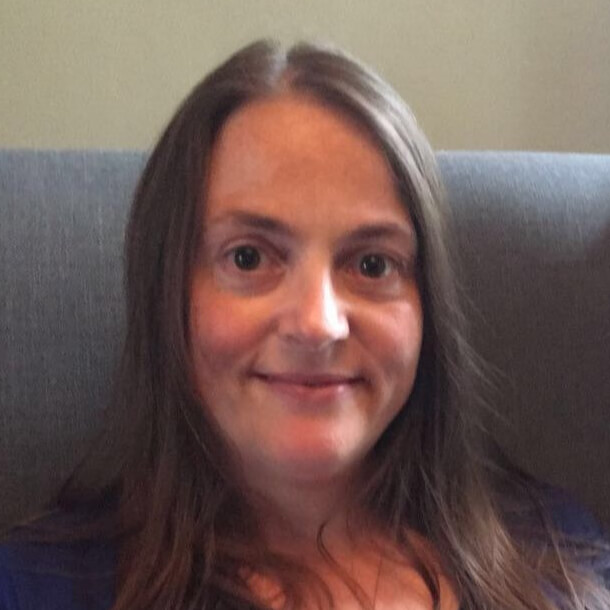 Laura Baxter is an English lead and a phase and curriculum leader. You can find her at whatsthebuzzdotdotdot.wordpress.com and follow her on Twitter at @LTeacher123.