
Intergenerational learning programme – Does it work in secondary?
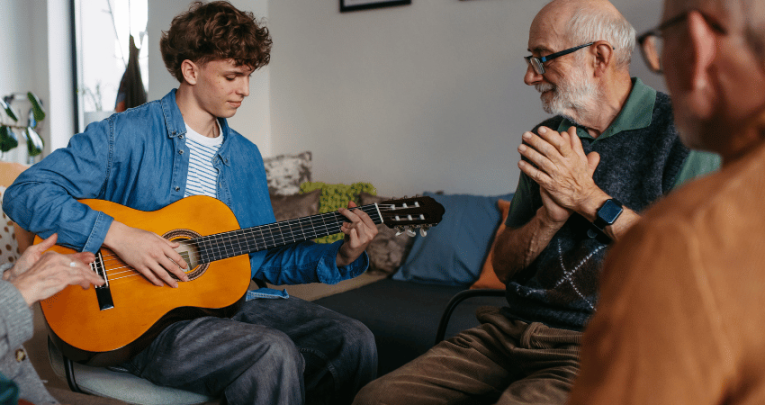
If carefully designed and led by trained staff, intergenerational practice in secondary schools can boost empathy, communication and critical thinking…

- by Di Newton
- Former teacher and intergenerational qualifications provider Visit website
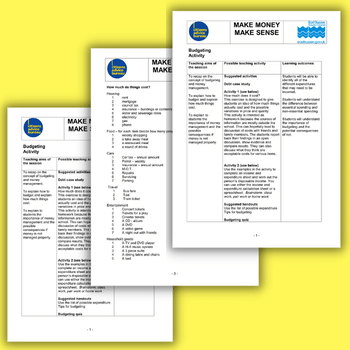
We often associate intergenerational learning programmes with early years settings or care homes. However, secondary schools are uniquely positioned to harness their potential.
At its heart, intergenerational practice isn’t about charity or nostalgia. It’s about creating purposeful, reciprocal relationships between generations that benefit everyone involved.
When done well, it can support empathy, communication skills, critical thinking and social responsibility – all core outcomes for secondary education.
For three years, we at AHN Education & Training have been training practitioners based at education, healthcare and community settings in how to plan, facilitate and evaluate intergenerational experiences ethically and effectively.
We’ve consistently seen how intergenerational learning programmes flourish when educators understand how relationships develop, when to intervene, and when to step back.
What can secondary students bring to an intergenerational learning programme?
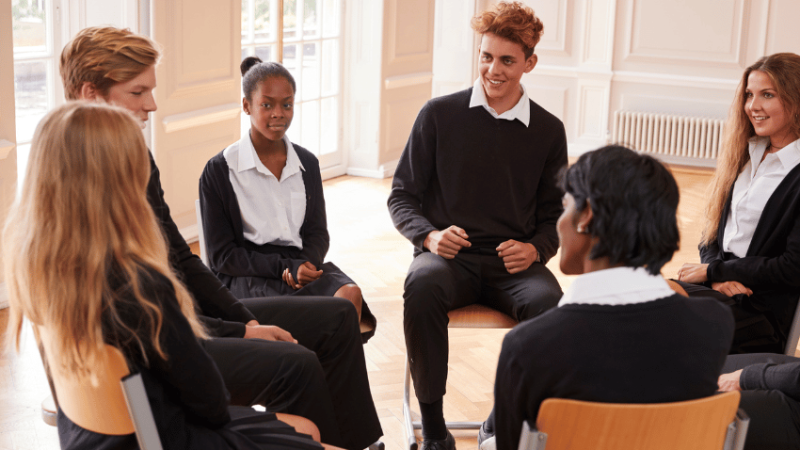
Secondary students can bring particular strengths to intergenerational settings. Adolescents are capable of reflection, questioning and meaningful dialogue.
When given structured opportunities to engage with older adults, they develop confidence and patience. They also gain a deeper understanding of ageing, health and social change. These encounters can challenge stereotypes on both sides.
Intergenerational practice in secondary schools can’t, however, be ‘bolted on’ as a one-off project or enrichment day. Without careful design, clear safeguarding frameworks and thoughtful facilitation, the interactions risk becoming superficial or tokenistic.
Teachers may feel uncertain regarding boundaries, the need for curriculum alignment or how to manage the complex emotional moments that can arise when students engage with older adults.
Intergenerational learning programme practitioners require what we term as ‘intergenerational literacy’. This is the ability to:
- read social and emotional cues across age groups
- balance autonomy with protection
- support authentic connection without over-directing it
Such skills are learned over time, grounded in theory and strengthened through ongoing reflective practice.
Valuable opportunity
In secondary schools, intergenerational learning can connect meaningfully to PSHE, citizenship, English, history and even STEM subjects through shared problem-solving and lived experience.
We’re increasingly seeing ‘hard to reach’ secondary students participating in intergenerational learning programmes, including those who struggle with attendance.
These kinds of projects will also be closely aligned with schools’ wider responsibilities around community engagement and inclusion, and how they prepare young people for life beyond the classroom.
As interest in intergenerational approaches continues to grow, we would encourage secondary educators to view this work as a valuable pedagogical opportunity.
When supported by high-quality training, an intergenerational learning programme can enrich learning, strengthen communities and help young people develop relational skills that they’ll carry into adulthood.
If we want intergenerational practice to have a lasting impact in secondary education, we must invest not just in programmes, but in the people who facilitate them.
Di Newton is a former secondary teacher and pastoral middle leader, and co-founder of AHN Education and Training – a UK-based provider of accredited intergenerational qualifications and CPD.