

“The Future Of SEN Provision In Schools Is Headed In A Worrying Direction”

After the gains we’ve made, the idea that funding cuts could sink our SEN provision should fill us with shame
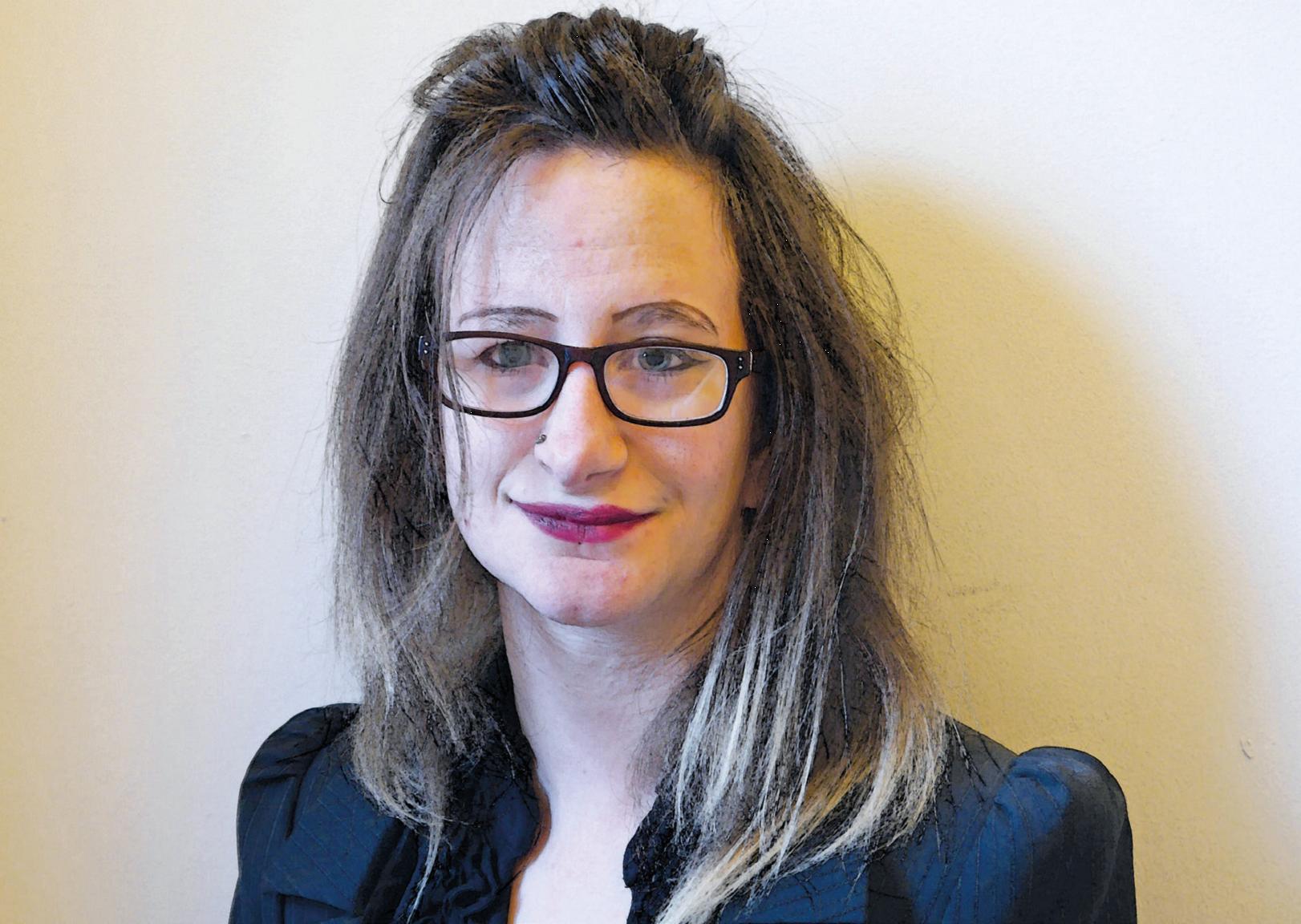
- by Annie Makoff
- NCTJ-qualified freelance journalist and former editor of SEN Magazine Visit website

Much has been written about an ongoing crisis in the public sector – the budget cuts, skills shortages and controversial pay restraint we’ve seen don’t exactly point to a thriving, affluent sector.
The government’s announcement in March that they’d be extending their 1% public sector pay rise for another year was met with widespread criticism. Thousands of public sector workers will therefore receive no more than a 1% pay rise, whilst their private sector peers continue to enjoy pay bonuses, pay rises in line with inflation and other employee benefits.
Right now, there’s a major recruitment crisis in education. Add to that the unprecedented funding cuts that schools are currently facing, a shortage of qualified applicants and the bigger classes schools are having to accommodate, and you have an education sector on the brink.
Figures from the NAHT reveal that the education system will have a £3bn deficit by 2020, helped in part by a £600 million cut to the Education Services Grant and the first real-time cuts to education spending since the 1990s.
In January this year The Guardian reported (tinyurl.com/gdn-school-cuts) that schools were having to cut their training budgets, make redundancies, drop key subjects and let go of entire pastoral teams. Some cash-strapped schools have considered introducing a four-day week, and many headteachers have warned that the system is in danger of imploding if nothing is done.
It’s 2017. Schools should not be in such dire a position that they’re having to ask parents to provide toilet rolls and essential stationary items, as one cash-strapped school in Sussex was recently forced to do.
Bearing the brunt
Unsurprisingly, all this is having a massive impact on SEN provision. The NASUWT warned in April this year that pupils with SEN aren’t getting the right support, due to a lack of specialist training and budget cuts.
The future of SEN provision in schools is headed in a worrying direction. With this clear move away from inclusion we’re in danger of returning to an age of segregation, where pupils with disabilities and special needs are marginalised and cut off from their mainstream peers.
Whichever side of the ‘mainstream inclusion’ versus ‘specialist education’ argument you’re on, we shouldn’t be in a situation where children with special needs are being turned away from mainstream education because we cannot afford them – yet this is exactly what’s happening. Yes, specialist education plays a valuable role for many children with additional needs, but the decision to attend this type of setting should be one based on free choice, rather than one dictated by funding challenges.
In March this year, the Institute for Fiscal Studies warned that the government’s proposed new national funding formula for schools – which was designed to make school funding fairer – would actually represent “The largest cut in school spending per pupil…since at least the early 1980s.” And children with SEN are among those bearing the brunt of those cuts.
It’s becoming a common thread – where there have been cuts and austerity measures, it’s those needing additional support who have suffered the most.
Worryingly, all this is happening before we’ve officially left the EU. It’s too early yet to predict the impact Brexit is likely to have on SEN provision, but the early signs are there. Reduced specialist training, fewer specialist teachers and reduced budgets for SEN.
After all the progress made in education during the late 1990s, it would utterly shameful if a once-thriving sector, and SEN in particular, was sunk after years of so-called austerity measures.
About the author
Annie Makoff is a former editor of SEN Magazine, now a freelance journalist specialising in disability, business and HR; for more information, visit anniemakoff.co.uk or follow @anniecat84