

Internet safety – Why we need a new ‘online harms’ law
Teachers have a vital role to play in pushing for greater online protection for students, says Charlotte Aynsley…

- by Charlotte Aynsley
- Safeguarding advisor at Impero Software director of Rethinking Safeguarding Visit website
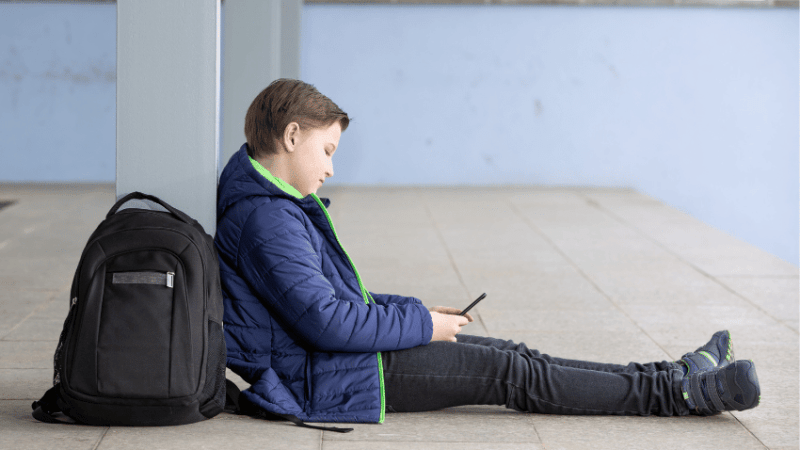
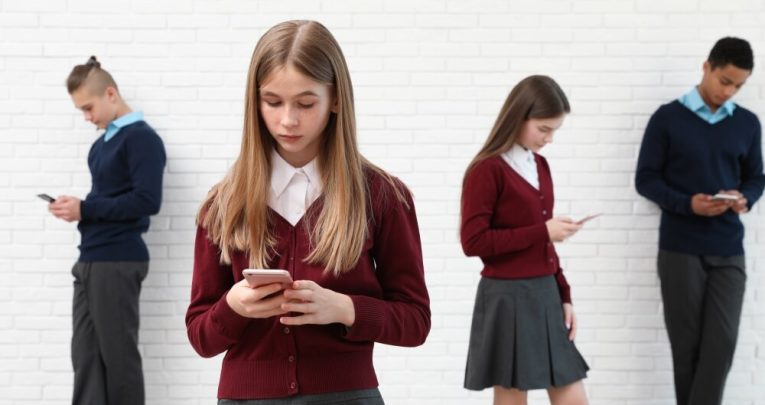
As we all know, since lockdown there has been a huge surge in young people’s use of social media and the internet more broadly. Being online has acted as a lifeline for many children and young people but, as time spent online has increased, protections have not.
We know the government wants ‘the UK to be the safest place in the world to go online’ and following the tragic suicide of Molly Russell in 2017, it drafted new legislation in the form of the Online Harms Bill, designed to increase the protection of young people.
However, despite ongoing lobbying by the NSPCC and various other charities and child protection advocates, the minister of state for digital and culture, Caroline Dinenage, has said she could not commit to bringing a draft of the bill to parliament until 2021.
While the shape of the bill continues to develop, the NSPCC has issued six tests that it will use to determine whether it will genuinely protect young people from online harms. A successful Online Harms Bill, the organisation insists, must be predicated on an expansive, principles-based duty of care and set ambitious targets for tackling online child abuse.
The bill must also address legal but harmful content, such as suicide and self-harm, and grant Ofcom investigatory powers and the ability to level criminal and financial sanctions. Finally, to earn NSPCC approval, the bill must include support for a civil advocacy counterpart to the legal repercussions, funded by a levy on the social media industry, to ensure that civil society can stand up to powerful industry actors.
Uniting teachers behind the bill
I believe teachers can play a crucial role in moving the Online Harms Bill forward. We know safeguarding is a crucial part of a teacher’s job and this legislation would make meaningful contributions to that end.
The bill will form another layer of safety, reinforcing boundaries that teachers and parents want to enforce and making it harder for young people to access inappropriate or dangerous material – in school, at home and beyond.
There are currently over half a million full-time teachers in the UK, and together they have incredible pester power, influence and leverage and huge potential to apply pressure to the government. A unanimous push could break through the logjam and drive action.
Creating awareness is a prerequisite to creating pressure, and the simplest thing that teachers can do is to learn about the bill and spread the word.
Teachers can lead discussions about the bill online and influence campaigns to pressure MPs – this could involve lobbying their unions to push for action on the bill, or simply circulating existing petitions pushing for it to be enacted in law by July next year.
Legislation for the online era
As the amount of time children spend isolated online increases, so too does the importance of eliminating online harms.
At a recent safeguarding roundtable in which I participated, chief constable Simon Bailey, the National Police Chiefs’ Council lead for child protection argued that the bill is the bare minimum we should have in place to protect our children and that such a bill should have been in place years ago.
In spite of the coronavirus and parliamentary stagnation, we must redouble our efforts to advance this bill, ensuring that it is fit for purpose as it moves through the legislative process. Behind parents, teachers are the group most invested in protecting children, and I feel a concerted effort to increase the pressure on the government to pass this bill will certainly yield results.
Charlotte Aynsley is safeguarding advisor at Impero Software; for more information, follow @ImperoSoftware.
Browse resources for Safer Internet Day.