

Creative industry jobs – Making film pathways more accessible
By establishing partnerships within the creative industries, schools can reimagine their careers education in powerful ways, says Julie Green…

- by Julie Green
- Education and learning manager at Warner Bros. Studio Tour London Visit website
The landscape of careers education is evolving. The DfE has proposed a series of changes to its work experience guidelines that will see the traditional one-week placement model at the end of Y10 or Y12 phased out.
Instead, schools will be encouraged to provide students with 50 hours of workplace experiences between Y7 and Y12.
This shift presents a unique opportunity for educators, careers leaders and professionals in the film and creative industries to collaborate – by bringing industry insight into the classroom, and opening doors for students to explore the dynamic, creative jobs available within the film industry.
‘Below the line’ creative industry jobs
Research from Ravensbourne University London reveals that while a third of young people express interest in creative industry jobs, fewer than 25% receive guidance on the breadth of roles available.
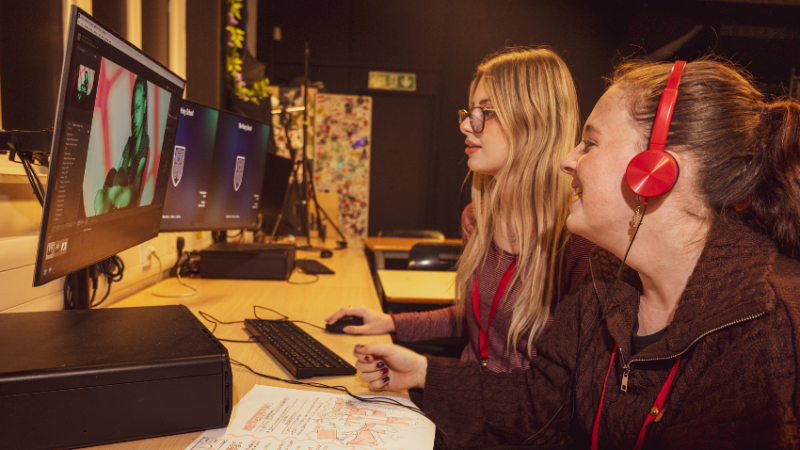
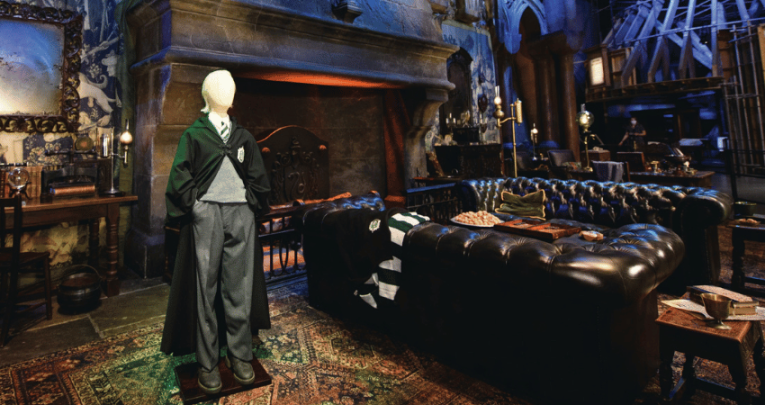
Many students are familiar with high-profile positions, such as directors or actors, but remain unaware of the extensive range of ‘below the line’ roles. This can range from production design and sound engineering, to costume and post-production.
A national asset
The UK is home to a thriving film and television sector, with major studios such as Warner Bros. Studios Leavesden, Pinewood, Elstree and Sky Studios contributing to what’s been dubbed ‘Britwood’.
The sector is not only culturally significant, but economically vital. Greta Gerwig’s Barbie, for example – filmed primarily at Warner Bros. Studios Leavesden – generated an estimated £80 million for the UK economy. It also created nearly 700 jobs.
In response to this growth, the UK government has pledged £380 million to support the creative industries. This includes £75 million specifically for film and TV training programmes aimed at addressing critical skills gaps.
Creative industry jobs
The traditional model of a single week of work experience often disadvantages students without industry connections. This is particularly true for those with SEND or from underrepresented backgrounds.
The creative industries require a more flexible, inclusive approach to workplace engagement. Such an approach could encompass studio visits and immersive school trips, as well as short-term placements of one to three days.
Students could further benefit from:
- industry insight events
- hybrid or virtual project-based experiences
- themed careers fairs
- youth-led programming and curation
- closer links between the creative industries and Arts Award qualifications
The Gatsby Benchmarks
The Gatsby Benchmarks provide a robust framework for integrating creative careers into school programmes – notably Benchmarks 2 (‘Learning from career and labour market information’ to explore those ‘below the line’ roles) and 4 (‘Linking curriculum learning to careers’).
For Benchmarks 5 and 6 (‘Encounters with employers and employees’ and ‘Experiences of workplaces’), there could be opportunities for learning outside the classroom via studio visits and workshops.
Benchmark 7 (‘Encounters with further and higher education’) affords scope for showcasing career pathways via film schools, apprenticeships and university courses.
Meanwhile, Benchmark 8 (‘Personal guidance’) could see tailored guidance and mentorship delivered to students keen to pursue creative and technical roles.
A tiered approach
The updated guidelines’ support for hybrid models of work experience – combining in-person and virtual engagements – are ideally suited to film studios. These must navigate non-disclosure agreements and an array of health and safety protocols.
A reimagined, age-appropriate model could provide engagement with the creative industries throughout students’ schooling under three themes:
- Y7-Y10 (‘Inspire’): studio visits and career talks
- Y9-Y12 (‘Explore’): students undertake research projects inspired by certain roles and industry trends
- Y10-Y12 (‘Experience’): pupils embark on meaningful work placements and project-based learning
This model would ensure that students build awareness, develop their skills and gain real-world insight over time. With the right support, young people can then envision jobs not just in front of the camera, but across the entire creative industries.
Resources and further reading
- Warner Bros. Studio Tour London Schools Resources
- CREWHQ – entry level film industry training
- Film and TV Educators Network – CPD, training, resources and events
- Equalex Learning Outcomes – a new type of work experience
- Industry data and insights – creative industries workforce data from the BFI
Julie Green is education and learning manager at Warner Bros. Studio Tour London – The Making of Harry Potter.