Ruth Astley explains how SEA LIFE’s marine conservation resources inspire pupils with hands-on classroom activities…
As a teacher, I have a deep-seated passion for igniting curiosity and wonder in my pupils. I’m constantly searching for conservation resources that not only enrich classroom learning but also inspire a lifelong sense of responsibility for the world around us.
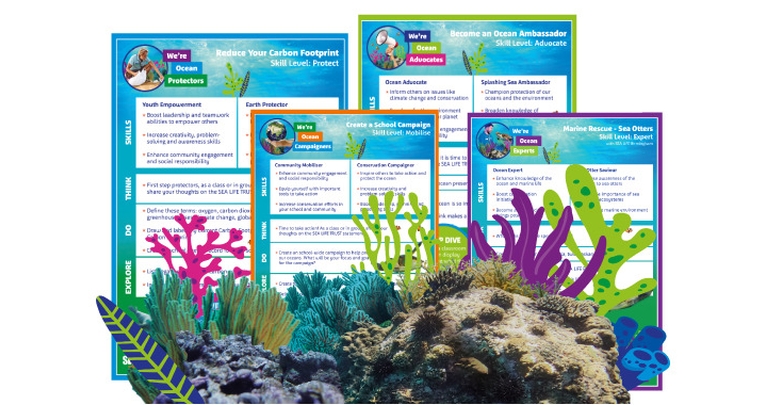
SEA LIFE’s online resources, including its Conservation Classroom and Friends of the Sea campaign, have become game-changers for me. They provide a bridge between the classroom and the captivating world beneath the waves.
Conservation resources
The Conservation Classroom’s online resources offer a treasure trove of interactive materials, vivid videos, guided activities and real-life case studies.
These tools have allowed me to turn ordinary science lessons into extraordinary voyages of discovery. For example, my Year 5 pupils recently undertook a virtual ‘Deep Sea Adventure’. They explored habitats and adaptations through the resources provided in the Conservation Classroom.
“Children who are sometimes hesitant to contribute were brimming with questions and ideas.”
The downloadable activities make it easy to tailor content to different age groups, ensuring every child can engage meaningfully.
One of the most successful activities was a virtual ‘Creature Feature’ day. Pupils researched their favourite sea creatures using SEA LIFE’s fact files, then presented their findings in small groups.
The sense of awe in the room was palpable. Children who are sometimes hesitant to contribute were brimming with questions and ideas.
Friends of the Sea
Subscribing to Friends of the Sea has extended our engagement far beyond stand-alone lessons. Through regular updates and themed newsletters, my class stays connected with marine conservation initiatives throughout the year.
Pupils eagerly anticipate the arrival of each new challenge or competition, whether it’s designing posters for World Ocean Day or participating in citizen science projects.
These experiences foster a sense of global citizenship and empower my students to take action in their own lives, from reducing single-use plastics to organising community clean-ups around the school site.
Curriculum-aligned
What makes these conservation resources truly invaluable is their alignment with the national curriculum, within all age groups.
In science, we have explored habitats, food chains and environmental changes, while in geography lessons we’ve delved into the water cycle and the impact of humans on oceans.
English objectives have been met through research, report writing and persuasive debates on conservation topics.
“This comprehensive approach makes learning relevant and purposeful.”
We’ve even used resources in art to support as pupils create marine-inspired artwork, reinforcing cross-curricular links and deepening understanding.
This comprehensive approach not only supports attainment but also makes learning relevant and purposeful.
Sustainability learning
The Department of Education’s drive for sustainability learning in schools is more vital than ever. Schools are being encouraged to include conservation and responsible environmental practices in their curriculum.
However, currently, guidance and strategies about how to do this vary considerably. SEA LIFE’s resources dovetail perfectly with the government’s call for schools to equip pupils with the knowledge and values needed for sustainable living.
Lessons on biodiversity, climate change and responsible consumption are made tangible and immediate. This helps children become informed stewards of the planet – just as the national sustainability and climate change strategy envisions.
School trips
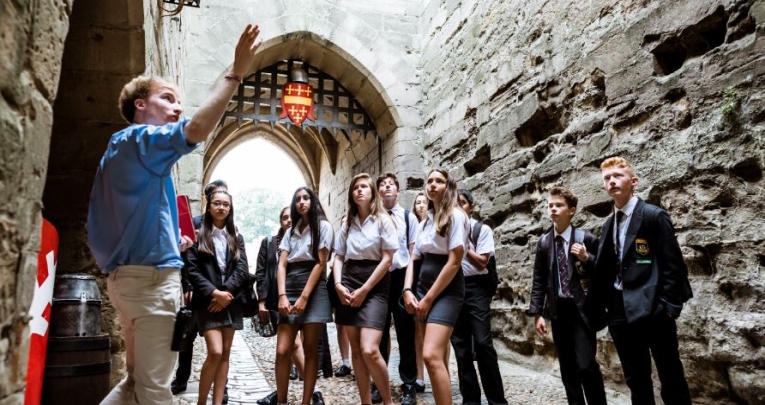
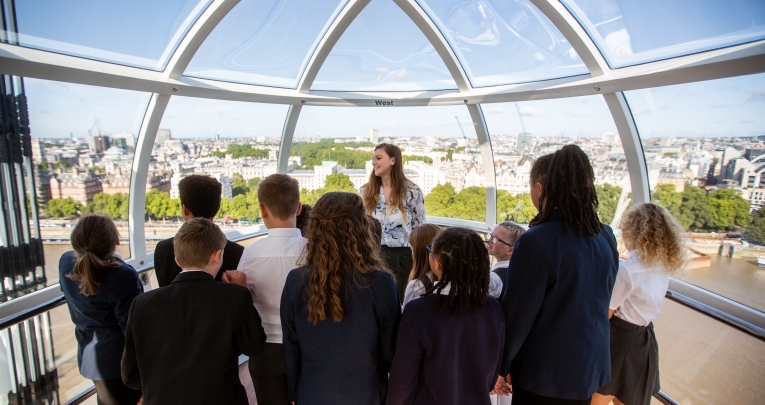
While the online resources provided by SEA LIFE are invaluable, nothing compares to the inspiring impact of a visit to SEA LIFE itself.
Seeing marine life up close, talking with passionate aquarists and completing high-quality activities bring classroom learning to life and cement concepts in unforgettable ways.
Pupils return with a renewed sense of wonder and a real commitment to making positive changes in their own communities.
These trips also provide opportunities for hands-on scientific investigations and personal reflection – skills that are critical for lifelong learning. SEA LIFE provides an extremely well-planned approach to these visits, with pre-visit and post-visit activities to support the hands-on experience.
“Nothing compares to the inspiring impact of a visit to SEA LIFE itself.”
Collaboration between schools SEA LIFE can be truly powerful. Through this partnership, pupils not only gain knowledge but also develop the confidence to take practical action.
These partnerships empower young people to become environmental leaders, foster a sense of belonging to a wider community and create ripples of positive change that extend far beyond the school gates.
By weaving sustainability into our lessons and forging partnerships with organisations like SEA LIFE, we can all play a part in safeguarding our blue planet for generations to come.
Ruth Astley is a freelance educational writer and former assistant head and SLE.