


This year, the LEGOLAND® Windsor Resort celebrates a huge milestone – 30 years of inspiring learning through play.
Since opening its doors in 1996, LEGOLAND has been much more than a theme park. For teachers, it is a place where learning comes alive and curiosity is developed. A place where children are encouraged to build, to imagine, and to explore.
This 30-year anniversary is the perfect time to reflect on what this unique resort has to teach us about the value of play-based learning and its role – and that of LEGO® – in today’s classrooms.
The language of childhood
Education policy is forever shifting, but one thing never changes. Play is the language of childhood. It’s how children learn, how they make sense of the world, and how they develop new skills. It provides a safe space for experimentation and laughter. It enables children to step beyond their comfort zones and try new things in a supportive environment. Through play, children build social skills, grow in confidence, and discover how to solve problems creatively.
As teachers, we see every day how play unlocks children’s imagination and engagement. The LEGOLAND Windsor Resort has championed this philosophy for 30 years, demonstrating that learning can be fun, meaningful, and inspirational. Even at a time when technology and screens are seemingly ever-present, the joy of building with LEGO remains as powerful as ever.
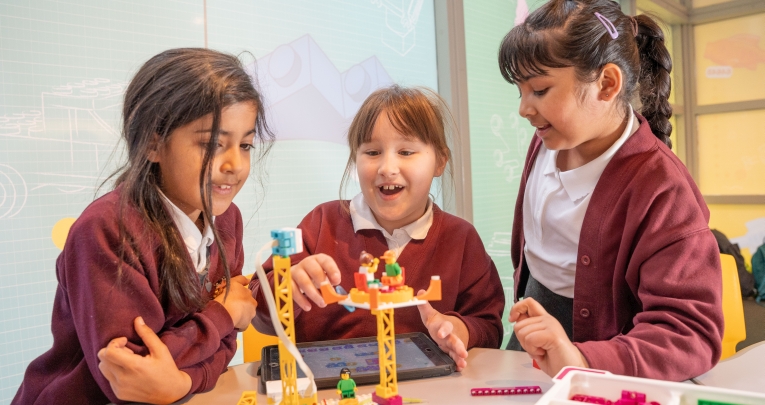
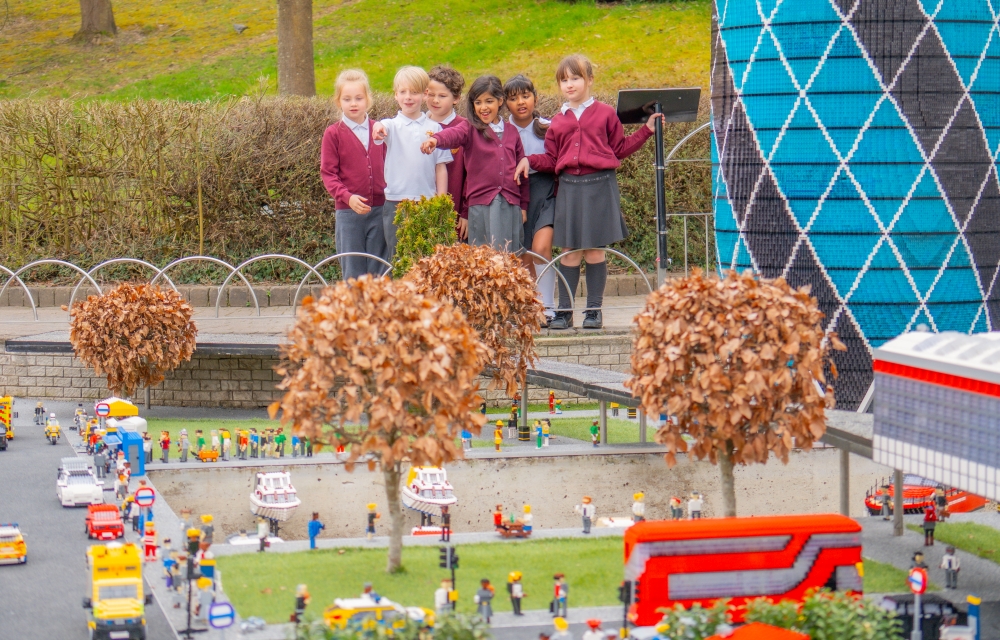
Experiential learning is simply the best teacher. When children get to touch, build, and create with LEGO, they remember more and understand better. LEGOLAND’s immersive environment encourages visiting children to take charge of their own learning – whether they’re constructing a bridge, programming a robot, or working as a team to solve a challenge.
This hands-on approach is especially relevant for Key Stages 2 and 3, where children are beginning to think more deeply, ask big questions, and tackle complex ideas.
Experiential learning also helps teachers to make connections between theory and practice. At LEGOLAND, pupils see how maths, science, and design and technology come together in the real world.
Teaching skills for life
As teachers, we know our pupils need to learn facts, but they also need to develop the skills they’ll require to thrive in a rapidly changing world. LEGOLAND Windsor Resort fosters creativity, collaboration and communication. Whether pupils are working together to build a model city or solving a tricky engineering problem, these skills are incorporated into every workshop and activity.
When children are encouraged to ask questions and test ideas, it is a prime opportunity to practise their creative-thinking skills. LEGOLAND’s activities challenge pupils to think outside the box, try new approaches, and learn from mistakes. They are encouraged to explain their thinking, listen to others, and share strategies. Just as importantly, they also learn the resilience they need to try, fail, and try again – every time a tower falls and is rebuilt, every time a robot doesn’t work the first time.
There is a substantial programme of educational workshops at LEGOLAND, all designed in line with the national curriculum. They cover a range of STEM education subjects – from maths and science to computing and design and technology. Children can take part in LEGO Robotics, engineering challenges, and creative building that links directly to classroom learning.
“The park’s approach is rooted in encouragement and positive reinforcement.”
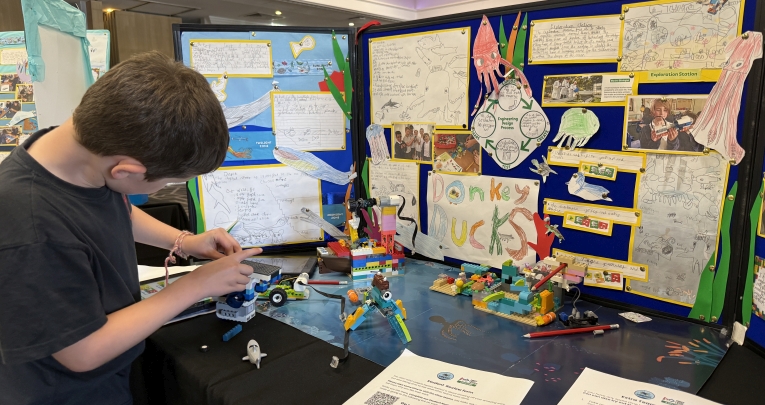
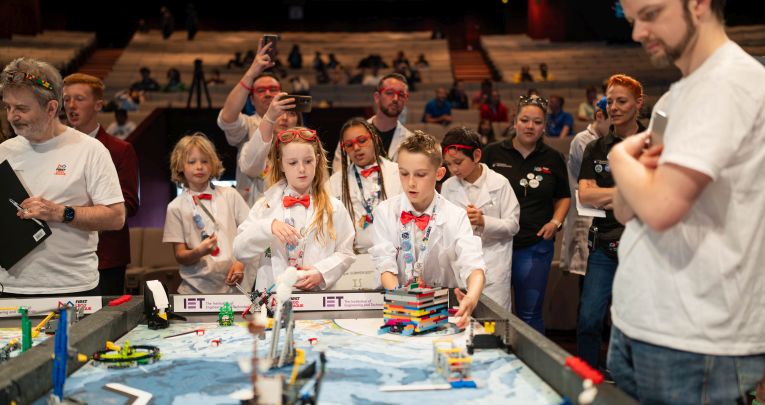
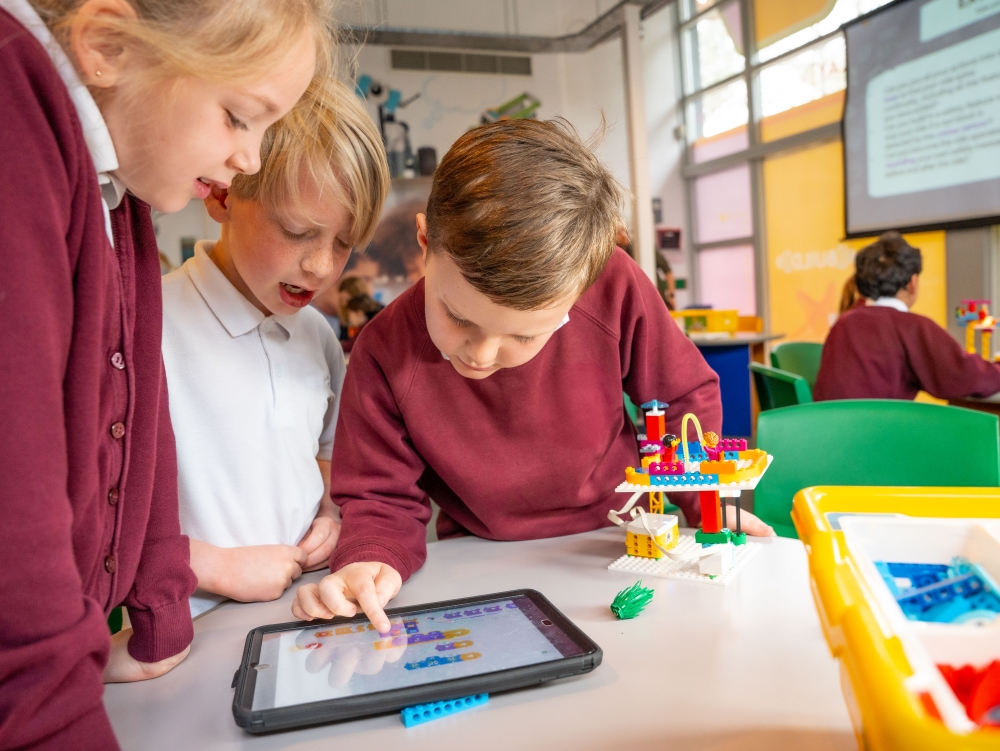
These workshops are hands-on and interactive, giving pupils the chance to experiment, investigate, and reflect. For example, in a robotics workshop they are challenged to program LEGO models to perform specific tasks. This encourages logical thinking and problem-solving as well as teaching coding skills.
In bridge-building workshops, children explore the principles of engineering and test different designs before analysing what makes a structure strong. Every workshop is led by experienced educators who understand the needs and interests of KS2 and KS3 pupils.
The LEGOLAND Windsor Resort has created an environment in which every pupil feels valued and included. The park’s approach is rooted in encouragement and positive reinforcement, which helps even reluctant learners find their strengths and build self-belief.
Group activities and open-ended challenges ensure that everyone can take part, regardless of ability or background. LEGOLAND staff are trained to support pupils’ emotional wellbeing, celebrating effort and progress rather than just outcomes.
This approach helps build resilience and reduces anxiety, making it easier for children to take risks and try again. The sense of achievement that comes from completing a workshop or building a new creation is a powerful motivator and often persists back at school.
Play in the classroom
Importantly, the skills learned from a visit to LEGOLAND can be taken back to the classroom. There, teachers can create the same opportunities for play, creativity, and collaboration. Simple strategies like using hands-on materials, encouraging group problem-solving, and giving children time to experiment can strengthen learning for all pupils.
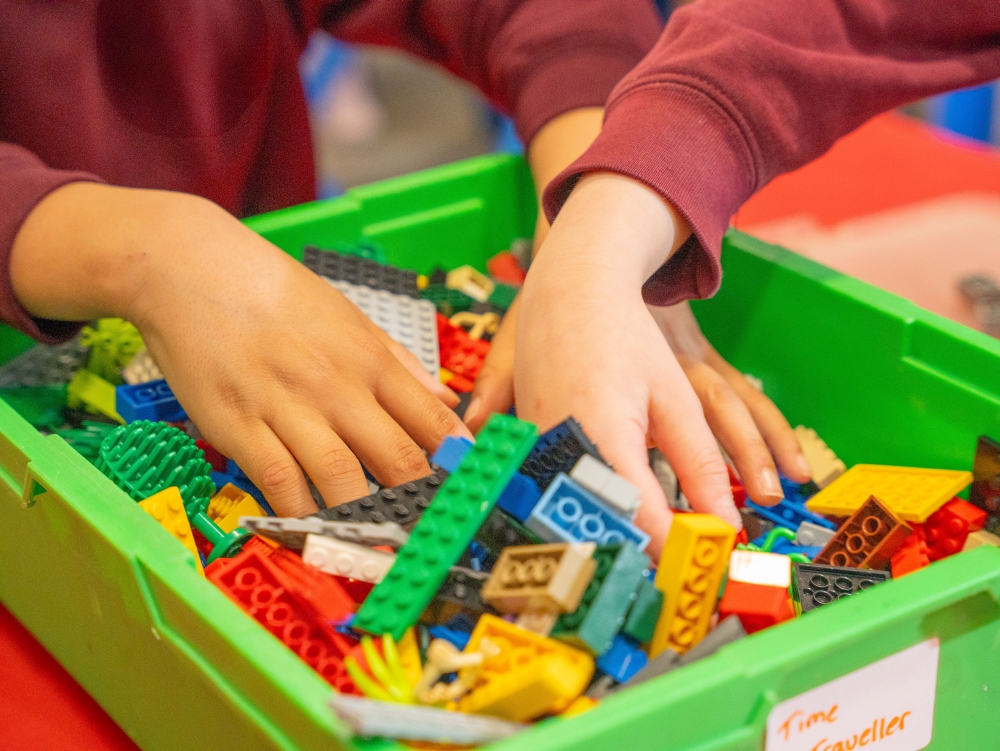
Using LEGO bricks in lessons helps develop curiosity and engagement. Maths problems become easier when pupils can build and find solutions. Science investigations gain depth when ideas can be modelled and predictions tested with real objects. Coding and computing come alive when LEGO Robotics enables a class to see their algorithms in action. Even creative writing can be enhanced by building story settings or characters from bricks.
Teachers can also adopt LEGOLAND’s positive, inclusive approach by celebrating effort, encouraging questions, and making space for trial and error. By focusing on process rather than just the product, we help children become confident and resilient learners who aren’t afraid to take risks and think creatively.
More than just fun
As the LEGOLAND Windsor Resort reaches its 30th birthday, its approach reminds us that play is not just a childhood pastime but rather a vital ingredient in lifelong learning. For Key Stage 2 and 3 teachers, a visit to the park can provide pupils with hands-on, experiential learning that builds essential skills, nurtures curiosity, and unlocks the potential of every child.
Whether we’re in the classroom or out in the world, play-based education prepares children for the future by supporting the development of collaboration, critical thinking, resilience, communication, and innovation. By embracing play, teachers can help every child build, discover, and grow one LEGO brick at a time.