


A living, breathing testament to over a thousand years of British History, Warwick Castle will immerse your pupils in the past, says Ruth Astley…
Studying history is more than just memorising dates and events. Real historical learning goes beyond this and helps children to develop critical thinking skills by encouraging them to question sources, understand cause and effect, and recognise that there are different perspectives on significant events from the past.
It also supports the development of empathy in children and fosters an appreciation for diversity, while also connecting them to their own heritage.
Yet despite the value of learning about the past, teachers face the challenge that history can sometimes feel distant or irrelevant to pupils.
As teachers, we know that abstract concepts within the history curriculum are often difficult for children to relate to. And we also know that some lessons are best learnt outside our classroom’s four walls.
Indeed, nothing increases children’s engagement with history or deepens their understanding of the past better than visiting a historical site as part of a school trip.
The wonder of Warwick Castle
Located in the heart of a historic town, Warwick Castle is more than just a castle; it’s a living, breathing testament to over a thousand years of British history. The impressive structure has witnessed some truly significant events, from the Norman Conquest to the imprisonment of Joan of Arc.
For teachers seeking to engage their class with British history, it’s a fantastic choice. The curriculum can be brought to life there in ways that simply can’t be replicated in the classroom.
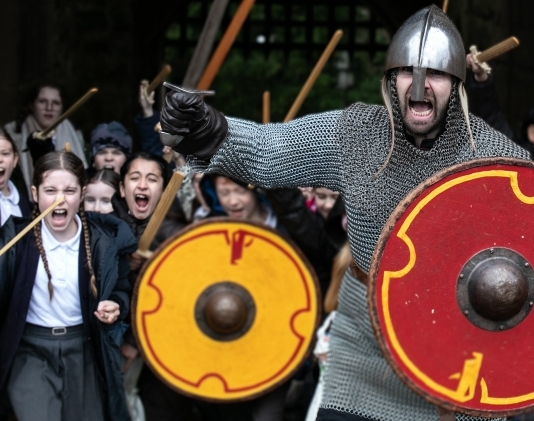
Children are immersed in the history they are studying, whether they’re stepping into the shoes of knights, princesses, or everyday people. It’s an active and truly memorable experience.
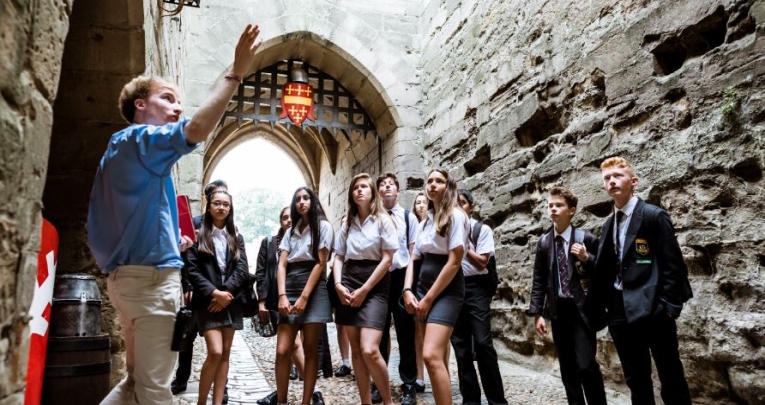
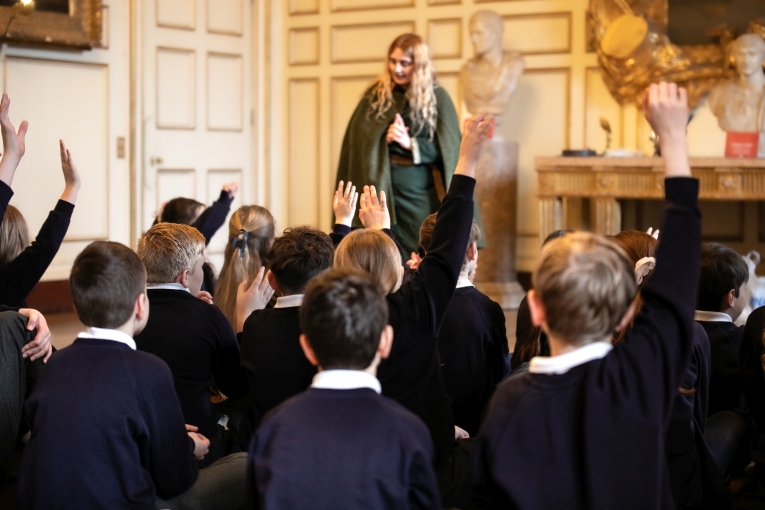
To support educators, Warwick Castle offers an extensive range of activities that are specifically designed for school groups. Guided tours take pupils on a journey through medieval ramparts, grand state rooms, and mysterious dungeons, each brimming with stories that capture their imagination.
Specially designed workshops cover topics from the structure and power of a motte and bailey castle, to the key events and composition of the armies at the Battle of Hastings, or the significance of Alfred the Great and his daughter.
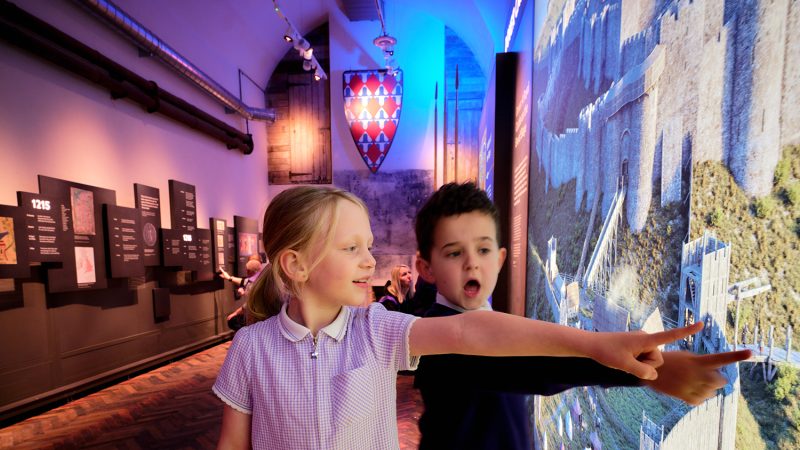
You might even choose to explore the key players during the War of the Roses, or learn more about the development of Warwick Castle itself through different owners and allegiances.
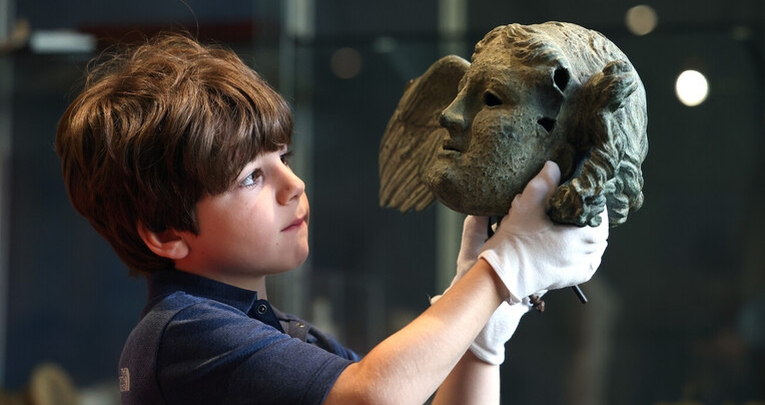
Each visit to Warwick Castle includes interactive experiences – from archery demonstrations and falconry displays to hands-on sessions with historic artefacts, costumes and props. Children can watch spectacular re-enactments, witness the firing of a mighty trebuchet, and even try their hand at shield-making or calligraphy.
“Warwick Castle offers an extensive range of activities that are specifically designed for school groups.”
Learning key skills
A trip to Warwick Castle is more than a fun day out. Engaging with history in a setting as rich as this enables children to develop a deeper understanding of their learning and a lasting curiosity for the past. It brings a topic to life and could be woven into current curriculum planning as a hook lesson, a midway pitstop, or even a reflective end-of-unit revision activity.
Children will learn to ask questions, weigh evidence, and appreciate different perspectives – all core skills of the history curriculum. Walking through the castle’s ancient halls, they will come face to face with the realities of medieval life: the struggles, achievements, and decisions that shaped the modern world.
This not only promotes empathy but also encourages children to see history not as something distant and abstract but as a series of real human experiences. The lessons learned will linger long after the trip ends, encouraging further classroom discussions and inspiring further exploration.
Children who experience history in person are far more likely to retain knowledge, develop enthusiasm, and make meaningful connections to their studies.
To this end, Warwick Castle’s dedicated education team ensure that every activity is both enjoyable and deeply enriching, designed to complement the curriculum and challenge pupils to think critically.
Engaging for all ages
Visits can be tailored to the age and curriculum expectations of your children. Personally, over the years, I have taken Year 1, Year 4 and Year 6 children to experience the awe and wonder the castle has to offer.
Each year group has benefitted greatly from the wide curriculum coverage such a trip provides, but just as importantly, the memories of the day have lived on for a long time.
Many children still talk of watching jousting, or shield designing, or even dressing up in knightly regalia. Their visit made learning about history more than just a subject to be memorised, but rather one to be explored.
As teachers, we strive every day to light the spark of learning and make our subjects matter. Warwick Castle offers an extraordinary opportunity to do just that – to turn history from something read into something lived.
Amid the challenges of making the past relevant, a school trip to Warwick Castle stands out as a powerful, practical solution. It’s a place where children don’t just learn about history; they feel it, understand it, and carry it with them.
If you’re seeking a way to inspire your class and bring lessons to life, Warwick Castle awaits. Let’s give our children the gift of unforgettable learning and help them see that history truly is all around us.
Ruth Astley is a freelance educational writer and former assistant head and SLE.